Your Oral Cancer Specialist

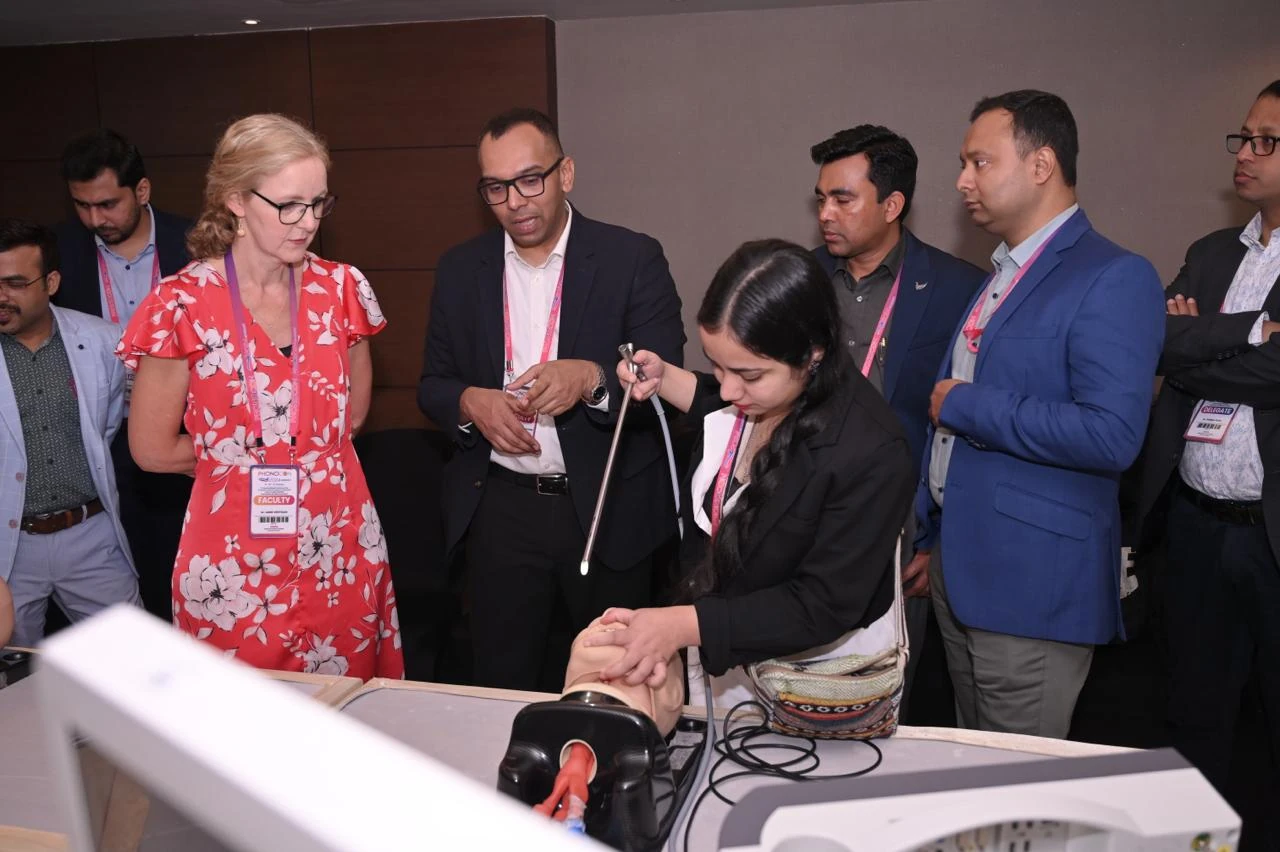
Dr. Vidhyadharan Sivakumar is a fellowship-trained head and neck surgical oncologist with over 20 years of experience treating oral cancers. As Clinical Director at THANC Hospital, he specializes in comprehensive oral cancer treatment using advanced robotic surgery (TORS), laser surgery, and reconstructive techniques to preserve speech, swallowing, and appearance.

With international fellowship training from Royal Adelaide Hospital (Australia) and expertise in Transoral Robotic Surgery (TORS), Dr. Vidhyadharan offers minimally invasive approaches that avoid jaw-splitting procedures for many oral cancers. His team approach includes reconstructive surgery, speech therapy, and nutritional support for complete patient care.

Credentials & Expertise

MS (ENT) Gold Medal | 3000+ surgeries performed | TORS & Laser surgery expertise | Microvascular reconstruction | Rising Star Award in Onco-Phagosurgery

Understanding Oral Cancer

Oral cancer affects the mouth including the tongue, floor of mouth, cheek lining (buccal mucosa), gums, hard palate, and lips. India ranks among the highest globally for oral cancer incidence — it is the number one cancer in Indian men, strongly linked to tobacco chewing, gutka, paan, and areca nut habits prevalent across the country.

Pre-cancerous conditions such as leukoplakia (white patches), erythroplakia (red patches), and oral submucous fibrosis (OSMF) can transform into cancer over time. Regular screening is essential for individuals with tobacco habits. When detected early, oral cancer has excellent cure rates with modern surgical techniques that preserve function and appearance.

Causes & Risk Factors

1
Smokeless tobacco

Gutka, khaini, zarda, and paan masala — the leading cause in India

2
Smoking

Bidi, cigarette, and hookah use significantly increase risk

3
Betel quid & areca nut

Chewing betel with or without tobacco is a major risk factor

4
Alcohol consumption

Multiplies risk when combined with tobacco use

5
Oral submucous fibrosis (OSMF)

Pre-cancerous condition caused by areca nut chewing

6
Leukoplakia & erythroplakia

White or red patches in the mouth with malignant potential

7
Sharp or broken teeth

Chronic irritation to the tongue or cheek lining

8
HPV infection

HPV-16 associated with some oral cancers

9
Poor oral hygiene

Chronic inflammation increases cancer susceptibility

10
Nutritional deficiencies

Iron and vitamin A deficiency may contribute to risk

11
Previous oral cancer

Field cancerization increases risk of second primary tumors

How Is Oral Cancer Diagnosed?

Early detection of oral cancer is critical for better outcomes. Diagnosis combines clinical examination with imaging and tissue analysis to determine the stage and plan treatment.

Visual and tactile examination

Systematic inspection and palpation of the oral cavity

Toluidine blue staining

Highlights suspicious mucosal areas for targeted biopsy

Incisional biopsy

Tissue sample from the suspicious lesion for histopathology

FNAC

Fine Needle Aspiration Cytology for neck lumps

CT scan

Evaluates bone invasion and tumor extent in the jaw

MRI

Assesses soft tissue extent and perineural spread

PET-CT

Staging scan to detect distant spread

OPG (Orthopantomogram)

Panoramic X-ray to assess jaw involvement

Dental evaluation

Pre-treatment dental assessment for treatment planning

Oral Cancers We Treat

Tongue Cancer (Oral Tongue)
Floor of Mouth Cancer
Buccal Mucosa (Cheek) Cancer
Gum Cancer (Gingival Cancer)
Hard Palate Cancer
Lip Cancer
Retromolar Trigone Cancer
Alveolar Ridge Cancer
Leukoplakia (Pre-cancerous)
Erythroplakia (Pre-cancerous)
Oral Submucous Fibrosis
Oral Lichen Planus

Warning Signs of Oral Cancer

Consult Dr. Vidhyadharan if you experience:

Non-healing mouth ulcer lasting more than 3 weeks
White or red patch inside mouth
Lump or thickening in cheek or tongue
Difficulty chewing or swallowing
Numbness in tongue or lip
Persistent sore throat
Loose teeth without dental cause
Jaw pain or stiffness
Difficulty opening mouth (trismus)
Unexplained bleeding in mouth
Weight loss
Neck lump or swelling

Early diagnosis improves outcomes

Treatments

Oral Cancer Treatment Options

Transoral Robotic Surgery (TORS)

Minimally invasive robotic surgery for accessible oral cancers, avoiding external incisions and jaw-splitting. Provides magnified 3D vision for precise tumor removal while preserving healthy tissue. Faster recovery with better functional outcomes.

Laser Excision Surgery

Precise laser removal for early-stage oral cancers and pre-cancerous lesions like leukoplakia. Minimal bleeding, reduced post-operative pain, and excellent healing. Ideal for superficial tumors and field cancerization.

Composite Resection with Reconstruction

For advanced cancers involving bone, comprehensive removal of tumor with mandible segment followed by immediate microvascular free flap reconstruction. Restores jaw structure, enables dental rehabilitation, and maintains facial appearance.

Neck Dissection

Selective or comprehensive removal of lymph nodes in the neck when cancer has spread or is at high risk of spreading. Nerve-sparing techniques preserve shoulder function and minimize complications.

Why Choose

Why Choose Dr. Vidhyadharan

MCh in Head & Neck Surgery from Amrita Institute, MS (ENT) Gold Medal from Annamalai University

Over 3000 head and neck surgeries performed

Fellowship-trained in robotic surgery (TORS) from Australia

Pioneer of TORS-assisted surgeries in India

Expertise in microvascular reconstructive surgery

Multidisciplinary tumor board approach

Rising Star Award winner in Onco-Phagosurgery

Comprehensive care from diagnosis to rehabilitation

Advanced Technology & Techniques

da Vinci Robotic Surgical SystemCO2 Laser SurgeryNarrow Band Imaging (NBI)High-Definition EndoscopyIntraoperative Nerve MonitoringMicrovascular Surgery Equipment
Your Journey

Your Oral Cancer Care Journey

Understanding what to expect helps reduce anxiety and prepares you for treatment

1

Comprehensive Evaluation

Detailed clinical examination, biopsy review, and advanced imaging (CT/MRI/PET) to determine cancer stage. Multidisciplinary tumor board discussion for optimal treatment planning.

2

Treatment Planning

Personalized treatment plan based on tumor location, stage, and patient factors. Discussion of surgical approach (TORS, laser, or open surgery), reconstruction options, and expected outcomes.

3

Surgical Treatment

Precise tumor removal using the most appropriate technique. Immediate reconstruction when needed. Nerve-sparing neck dissection if lymph nodes involved.

4

Post-Operative Care

Specialized ICU care for complex cases. Early speech and swallowing therapy. Nutritional support and wound care. Planning for adjuvant treatment if required.

5

Rehabilitation & Follow-Up

Comprehensive rehabilitation including speech therapy, swallowing exercises, and dental care. Regular surveillance for early detection of recurrence. Long-term survivorship support.

FAQs

Frequently Asked Questions

The main risk factors for oral cancer in India are tobacco use (smoking and chewing), betel nut/paan consumption, alcohol, and HPV infection. Oral submucous fibrosis from areca nut chewing significantly increases risk. Early detection through regular dental check-ups is crucial for people with these risk factors.

Yes, oral cancer is highly curable when detected early. Stage I and II oral cancers have cure rates exceeding 80-90% with appropriate treatment. Even advanced cancers can be treated effectively with surgery, reconstruction, and adjuvant therapy. Dr. Vidhyadharan's expertise in comprehensive treatment maximizes cure rates.

Functional outcomes depend on tumor size and location. With minimally invasive techniques (TORS, laser) for early cancers, most patients maintain normal speech and swallowing. For advanced cancers requiring reconstruction, Dr. Vidhyadharan's reconstructive expertise and post-operative rehabilitation help restore function. Most patients return to near-normal eating and understandable speech.

Transoral Robotic Surgery (TORS) offers magnified 3D vision and precise instrument control, allowing tumor removal through the mouth without external incisions or jaw-splitting. Benefits include shorter hospital stay (3-4 days vs 2 weeks), faster recovery, less pain, better swallowing outcomes, and no visible scars. Dr. Vidhyadharan was trained in TORS at Royal Adelaide Hospital, Australia.

Recovery varies by procedure. Minimally invasive surgery (TORS/laser): 1-2 weeks to resume normal diet and activities. Major resection with reconstruction: 2-4 weeks in hospital, 2-3 months for full recovery. Speech and swallowing therapy accelerates functional recovery. Dr. Vidhyadharan's team provides comprehensive rehabilitation support.

Adjuvant treatment depends on final pathology findings. Early-stage cancers with clear margins often need surgery alone. Advanced cancers or those with high-risk features (positive margins, lymph node involvement, nerve invasion) typically require post-operative radiation with or without chemotherapy. The tumor board recommends the optimal plan.

Many oral cancers can be treated without mandibulectomy (jaw removal). Dr. Vidhyadharan uses TORS and laser surgery for tumors not invading bone. When bone is minimally involved, marginal mandibulectomy preserves jaw continuity. Only tumors deeply invading bone require segmental resection with immediate reconstruction to restore jaw structure and function.

Success rates at specialized centers like THANC Hospital match international standards. Early oral cancer (Stage I-II): 80-90% five-year survival. Locally advanced cancer (Stage III-IV): 50-70% depending on specific factors. Dr. Vidhyadharan's fellowship training, advanced surgical techniques, and multidisciplinary approach optimize outcomes.

Cost depends on the type of surgery (minimally invasive vs reconstruction), hospital stay duration, and adjuvant treatment needs. THANC Hospital offers comprehensive oral cancer care with transparent pricing. Insurance coverage is available for cancer treatment. Detailed cost estimates are provided after consultation and staging workup.

White patches (leukoplakia) are pre-cancerous lesions that may transform to cancer in 5-15% of cases. Red patches (erythroplakia) have higher malignant potential. Any persistent mouth patch lasting more than 3 weeks needs evaluation. Dr. Vidhyadharan can assess the lesion, perform biopsy if needed, and treat with laser excision to prevent cancer development.

Oral submucous fibrosis (OSMF) from betel nut/areca chewing causes progressive mouth tightness and significantly increases oral cancer risk. Early OSMF can improve with cessation of habits and medical treatment. Advanced fibrosis requires surgical release. Regular surveillance is essential as OSMF patients have 7-13% lifetime cancer risk. Stopping the habit is most critical.

Follow-up schedule: Monthly for first year, every 2-3 months for second year, every 3-4 months for years 3-5, then annually. Each visit includes examination for recurrence, imaging as needed, and management of treatment side effects. Dental care and nutritional assessment are part of comprehensive follow-up.

Have more questions? We're here to help.

Schedule a Consultation
From Our Blog
White Patch in Mouth? Leukoplakia & Cancer Risk - Chennai
Oral Cancer

White Patch in Mouth? Leukoplakia & Cancer Risk - Chennai

Leukoplakia, characterized by a **white patch in mouth**, is a condition that warrants attention, especially concerning its potential link to oral cancer. If you're in Chennai and notice such a patch,...

9 min readRead More
Oral Submucous Fibrosis Treatment Chennai - Dr Vidhyadharan
Oral Cancer

Oral Submucous Fibrosis Treatment Chennai - Dr Vidhyadharan

Oral submucous fibrosis (OSMF) is a chronic debilitating disease affecting millions in India, particularly in Chennai. It is strongly linked to the consumption of pan tobacco, gutka, and other areca n...

9 min readRead More
Oral Cancer Warning Signs & Symptoms Chennai
Oral Cancer

Oral Cancer Warning Signs & Symptoms Chennai

Oral cancer is a significant health concern in India, and early recognition of **oral cancer warning signs** can save lives. Dr. Vidhyadharan Sivakumar, a fellowship-trained Head & Neck Surgical Oncol...

9 min readRead More
Second Opinion for Head & Neck Cancer Chennai
Head & Neck Cancer

Second Opinion for Head & Neck Cancer Chennai

A **second opinion for head and neck cancer** can be a crucial step toward the right treatment. Dr. Vidhyadharan Sivakumar, a European Board-certified Head & Neck Surgical Oncologist with 20+ years of...

7 min readRead More
Head and Neck Cancer Survival Rates: Modern Treatment in Chennai
Head & Neck Cancer

Head and Neck Cancer Survival Rates: Modern Treatment in Chennai

**Head and neck cancer survival rates** are a crucial concern for patients and their families. At THANC Hospital, Kilpauk, Chennai, Dr. Vidhyadharan Sivakumar -- a European Board-certified head and ne...

9 min readRead More
Tongue Cancer Surgery in Chennai: Preserving Speech and Swallowing
Tongue Cancer

Tongue Cancer Surgery in Chennai: Preserving Speech and Swallowing

Tongue cancer surgery that preserves speech and swallowing function is now achievable with modern surgical techniques in Chennai. Dr. Vidhyadharan Sivakumar, an internationally trained head and neck s...

11 min readRead More

Get Expert Oral Cancer Care

Early detection saves lives. Schedule your evaluation at THANC Hospital today.